Sash Windows vs uPVC: Why Restoration Beats Replacement
The uPVC Question
If you own a period property with original sash windows, chances are someone has suggested replacing them with uPVC. It's a fair question. uPVC windows are marketed heavily, they're widely available, and the promise of "maintenance-free" double glazing sounds appealing when you're dealing with draughty, rattling sashes.
But the reality is more complicated than the brochures suggest. For most owners of Victorian and Georgian homes in Ireland, restoring your original sash windows is the smarter choice — financially, practically, and aesthetically. Here's why.
What You Lose When You Remove Original Sash Windows
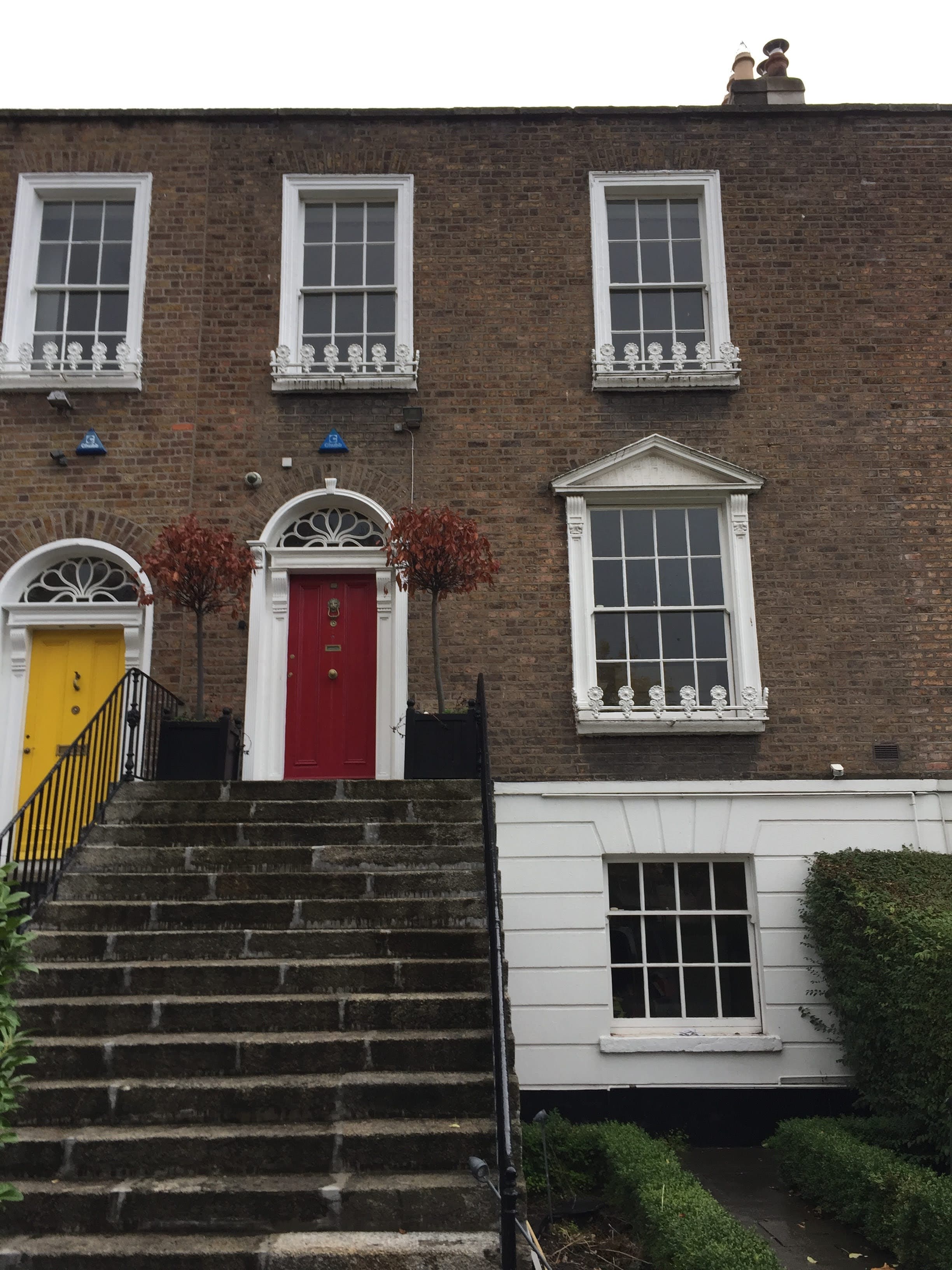
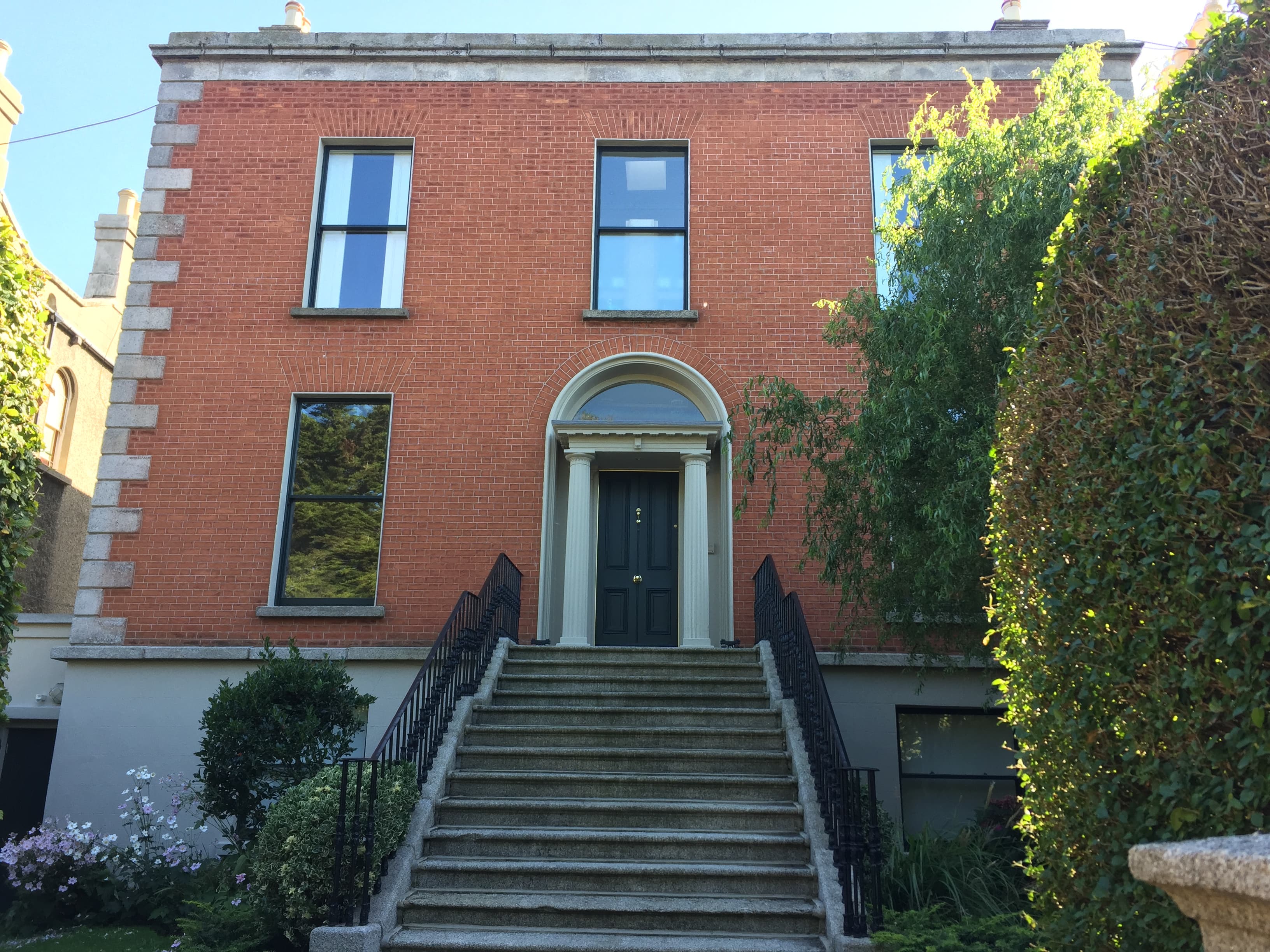
Original sash windows are not just glass and timber. They're part of your home's architectural character. The proportions, the glazing bars, the way the light falls through the glass — all of it was designed as part of a whole. Period homes were built with sash windows in mind, and the facade loses something real when they're swapped for uPVC.
uPVC frames are thicker and bulkier than the slim timber profiles of a traditional sash. Even "heritage style" uPVC windows don't replicate the proportions properly. The glazing bars are stuck on rather than structural, and the material has a uniform, plastic appearance that sits awkwardly against original brickwork or render. Once you've seen the difference side by side, it's hard to unsee.
Then there's the craftsmanship. A Victorian sash window was hand-built using mortise-and-tenon joints in slow-grown timber that's often denser and more durable than anything available today. That's not something you can buy back once it's in a skip.
Planning Permission in Ireland
This is where things get serious for many homeowners. If your property is a protected structure or sits within an Architectural Conservation Area (ACA), you cannot replace your original windows with uPVC without planning permission — and that permission is routinely refused.
Local authorities in Dublin and across Ireland take a firm view on this. The National Inventory of Architectural Heritage guidelines are clear: original windows should be retained and repaired wherever possible. Replacement with uPVC is considered harmful to the character of a protected structure.
Even if your home isn't formally protected, many Victorian and Georgian terraces and streetscapes fall within ACAs. Removing original sash windows can result in enforcement action and a requirement to reinstate them at your own cost.
Restoration sidesteps all of this. Because you're repairing what's already there rather than altering it, no planning permission is needed. It's the simplest and safest route.
Energy Efficiency: Closer Than You Think
The biggest selling point for uPVC is energy efficiency. And yes, a new double-glazed uPVC window will outperform a draughty, unrestored sash window. But that comparison isn't really fair.
Most of the heat lost through old sash windows escapes through air leakage — gaps between the sashes and the frame where years of movement and wear have opened up spaces. The glass itself accounts for a smaller portion of the heat loss than most people assume.
Professional draught-proofing as part of a sash window restoration can reduce heat loss by up to 50%. This involves fitting discreet brush or compression seals into the frame that block air movement while still allowing the sashes to slide freely. Combined with secondary glazing if desired, a restored sash window can perform remarkably close to a modern double-glazed unit — without any of the compromises.
And here's what's often overlooked: uPVC sealed units have a lifespan of roughly 15 to 25 years before the seals fail and condensation appears between the panes. When that happens, the entire unit needs replacing. A properly restored sash window with draught-proofing will last decades and the seals are straightforward to maintain or replace.
Lifespan and Sustainability
This is perhaps the most compelling argument of all. Your original sash windows have already lasted well over 100 years. The slow-grown timber used in Georgian and Victorian construction is remarkably durable — dense, stable, and resistant to rot when properly maintained. With a professional restoration, there's no reason these windows can't last another century.
uPVC, by contrast, has a typical lifespan of 20 to 30 years. The material degrades over time, becoming brittle and discoloured. When a uPVC window reaches the end of its life, it goes to landfill — PVC is technically recyclable but in practice very little of it is recycled in Ireland. You'll then need to buy and fit another set of replacement windows.
Restoring original windows is the genuinely sustainable option. You're working with materials that have already stood the test of time, avoiding the manufacture and disposal of plastic, and preserving embodied energy that's already in the building. It's better for your home and better for the environment.
Cost: Short Term vs Long Term
uPVC replacement can appear cheaper upfront, particularly for standard-sized windows. But the full picture tells a different story.
When you factor in the cost of replacing uPVC units every 20 to 30 years, the misting sealed units that need attention well before that, and the potential loss of property value (more on that below), restoration often works out as the more economical choice over the lifetime of the building.
A full sash window restoration — including sash cord replacement, timber repairs, draught-proofing, and repainting — gives you a window that will last for generations with only periodic repainting needed every 5 to 7 years. That's a one-time investment versus a recurring replacement cycle.
Property Value
Estate agents consistently report that original period features add value to a property. Sash windows are one of the most visible and valued of those features. A Georgian or Victorian home with its original windows intact and in good condition is more attractive to buyers than one with uPVC replacements.
In Dublin's period property market especially, uPVC windows can actually reduce a home's appeal. Buyers looking at Victorian terraces in Rathmines, Ranelagh, or Drumcondra — or Georgian properties in the city centre — expect original sash windows. Replacing them with plastic sends the wrong signal about how the property has been cared for.
Restored sash windows tell a different story entirely. They show that the home has been maintained with respect for its character, and that's something buyers will pay a premium for.
The Bottom Line
uPVC has its place — in modern builds where it was always part of the design. But for period properties with original sash windows, restoration is the better choice by almost every measure:
- Character: Nothing matches the look of original timber sash windows
- Planning: No permission issues, no risk of enforcement
- Energy efficiency: Draught-proofing closes the gap dramatically
- Lifespan: 100+ years of proven performance vs 20-30 years for uPVC
- Sustainability: Reuse and repair beats manufacture and disposal
- Property value: Original features add value; uPVC can detract from it
At Fitch & Cord, we restore sash windows across Dublin, Leinster, and beyond. We've worked on hundreds of period properties and we've yet to find a set of original sash windows that aren't worth saving. If you're weighing up your options, we're happy to take a look and give you honest advice.
Contact us today for a free, no-obligation assessment of your sash windows. Call Ger on 087 265 5713 or use the contact form on our website.
Ready to Restore Your Sash Windows?
Get expert advice and a free quote for your restoration project
Get Free Quote